This post is part of a series of articles about artwork for different types of interiors.
Choosing the right artwork for a hotel is not a finishing touch. It is one of the decisions that shapes how guests feel in the space from the moment they arrive. The right photography can make a hotel feel calmer, more premium, more memorable, and more connected to its location. The wrong photography can make even a well-designed interior feel generic, fragmented, or unfinished.
This guide explains how to choose fine art photography prints for hotels in a practical way. It covers the best art styles for hotel interiors, how to choose art by hotel type, where to place art in a hotel, recommended print sizes, colour psychology, common mistakes to avoid, and how hotels usually buy art for guest rooms and public spaces.
In short
- Use calming, restrained photography in guest rooms and stronger statement pieces in public spaces.
- Match the artwork to the function of the space: lobby, bedroom, corridor, restaurant, spa, or meeting room.
- Choose prints whose colours support the room’s palette rather than compete with it.
- Keep framing, sizing, and placement consistent across similar rooms.
- For most hotels, landscape, abstract, minimalist, black and white, and location-based photography are among the most effective choices.
- Archival-quality prints and professional framing matter as much as the image itself.
Contents
- Why Art Matters in Hotels
- How to Choose Hotel Art in 5 Steps
- Art Styles Best Suited for Hotels
- Best Art by Hotel Space
- Where to Place Art in a Hotel
- Choosing Art by Hotel Type
- Colour Psychology in Hotel Art
- Recommended Print Sizes for Hotel Rooms
- Art Sizes for Hotel Spaces
- Photography Themes That Work Best in Hotels
- Common Mistakes Hotels Make When Choosing Art
- How Hotels Buy Art
- Practical Tips for Buying and Installing Hotel Art
- Examples of Photography Prints for Hotels
- Frequently Asked Questions
Why Art Matters in Hotels
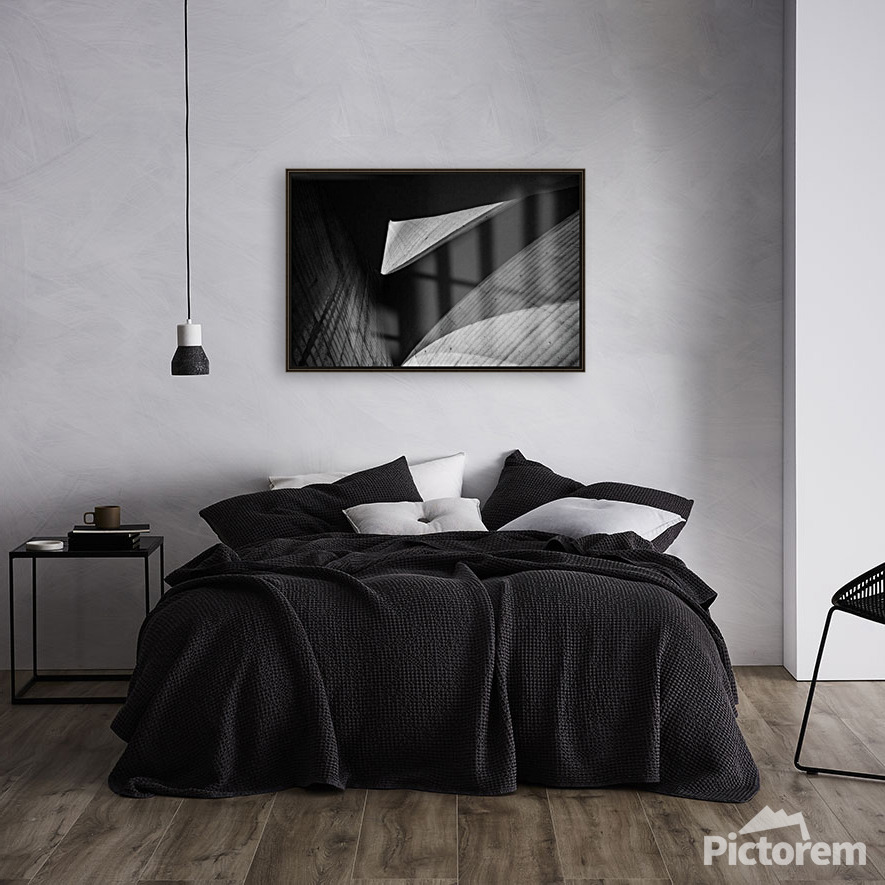
Art in hotels is not decoration. It is part of the guest experience. Every artwork communicates something about the property: whether it feels calm or energetic, generic or distinctive, budget-conscious or carefully designed.
In practical terms, hotel art does three important jobs. First, it helps shape atmosphere. Second, it reinforces the identity of the hotel. Third, it makes empty walls feel intentional rather than neglected. A thoughtfully chosen print can make a guest room feel more restful, a corridor less anonymous, or a lobby more memorable.
Fine art photography is especially well suited to hotels because it combines realism with mood. It can bring nature, architecture, light, texture, and a sense of place into an interior without feeling overly decorative. Compared with generic wall décor, well-chosen photography feels more authentic, more curated, and more aligned with contemporary hospitality design.
From my perspective as a fine art photographer, the most successful hotel art usually gets three things right: emotional tone, colour restraint, and viewing distance. In guest rooms, the photography should support comfort and rest. In public spaces, it can be more striking and memorable. In both cases, the goal is the same: to strengthen the character of the hotel.
How to Choose Hotel Art in 5 Steps
If you are choosing art for a hotel interior, the simplest approach is to make the decision in five steps.
- Define the atmosphere. Decide what the space should communicate: calm, luxury, energy, locality, exclusivity, warmth, or clarity.
- Match the art to the room function. A bedroom needs different imagery than a lobby, spa, or bar.
- Choose a colour direction. The artwork should support the dominant colours and materials already present in the room.
- Select the right size and framing. Even a strong image fails if it is too small, too large, or badly framed for the space.
- Standardise where repetition matters. In hotels with multiple similar rooms, consistency in print size, frame style, and placement creates a more professional result.
| Step | Main question | Practical result |
|---|---|---|
| 1 | What should guests feel here? | Sets the visual direction |
| 2 | What is this space used for? | Helps choose the right photography style |
| 3 | What colours already dominate the room? | Keeps the interior coherent |
| 4 | How large should the print be? | Avoids weak or overwhelming scale |
| 5 | Will this be repeated across many rooms? | Creates consistency and easier purchasing |
Art Styles Best Suited for Hotels
The best photography style for a hotel depends on the property, the guest profile, and the purpose of the space. However, some styles consistently work better than others in hospitality interiors.
Landscape and Nature Photography
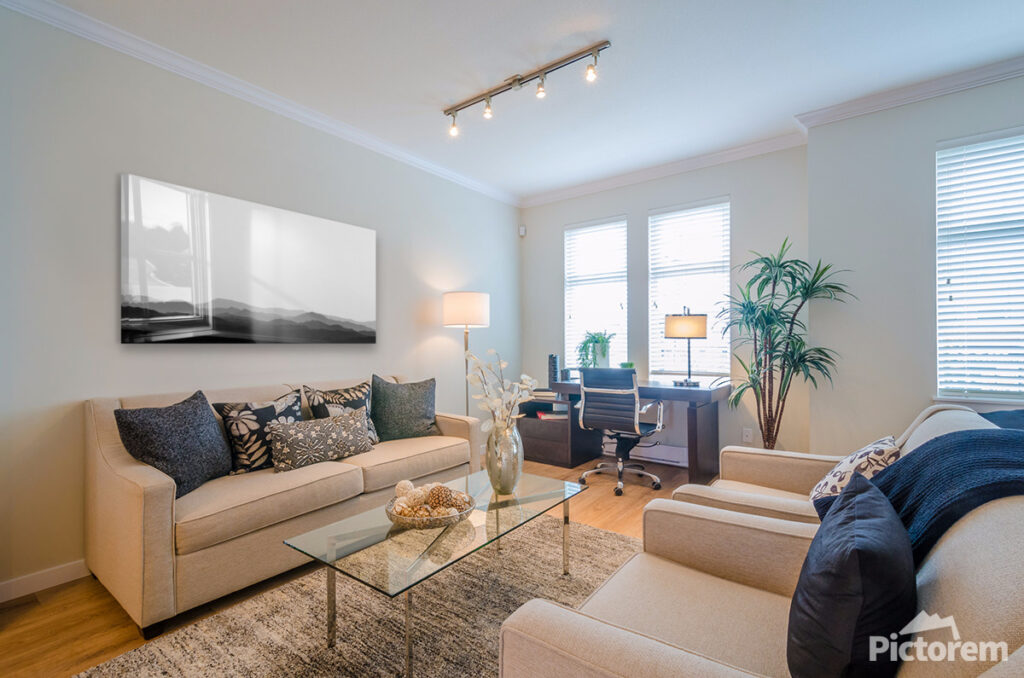
Landscape photography is one of the most reliable choices for hotel interiors. Images of coastlines, forests, mountains, mist, water, and open space tend to create calm and visual breathing room. This makes them especially suitable for guest rooms, wellness areas, and reception spaces. Large-format landscape prints with a clear focal point and a restrained palette are often among the most universally appealing options.
Abstract and Minimalist Photography
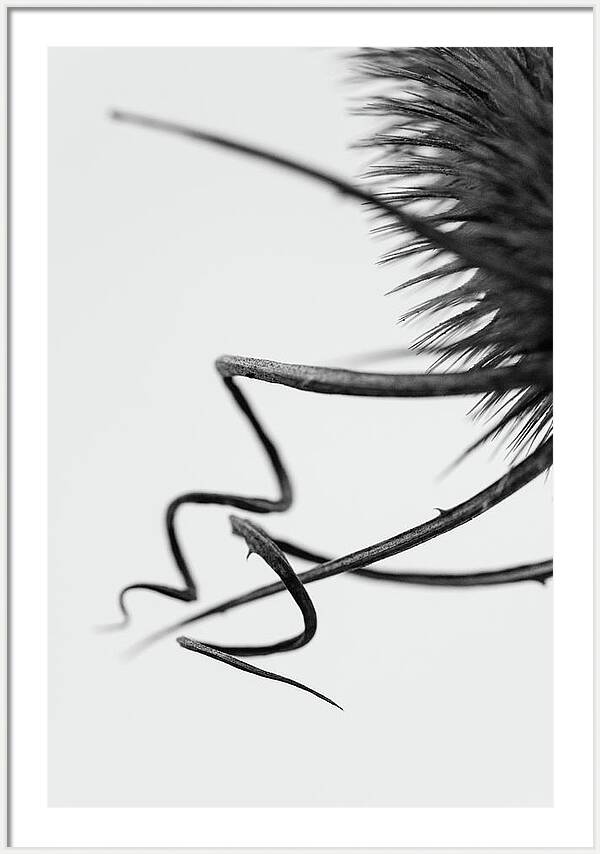
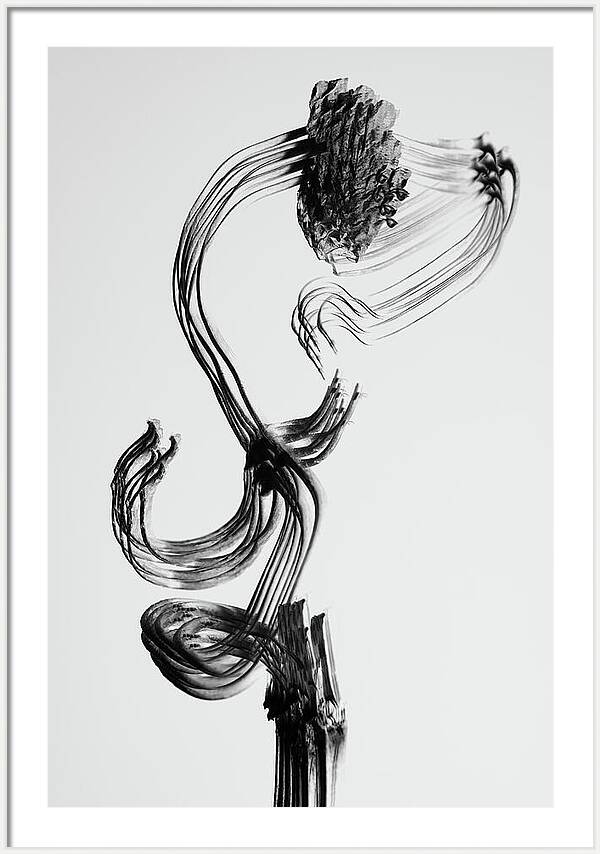
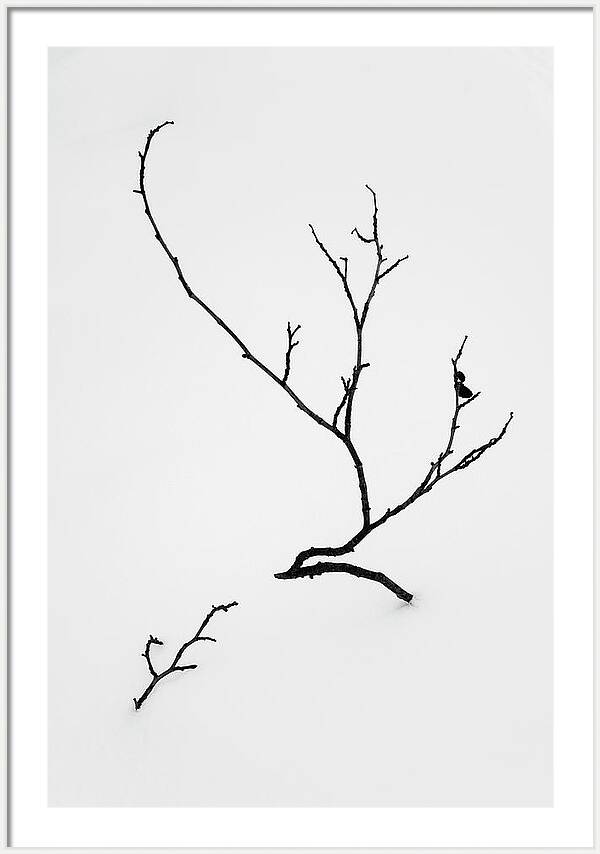
Abstract photography and minimalist photography work particularly well in modern hotels, design hotels, and business-oriented interiors. These prints bring texture, shape, rhythm, and sophistication into a space without dominating it with narrative content. They are especially effective in corridors, bathrooms, meeting rooms, and contemporary bedrooms.
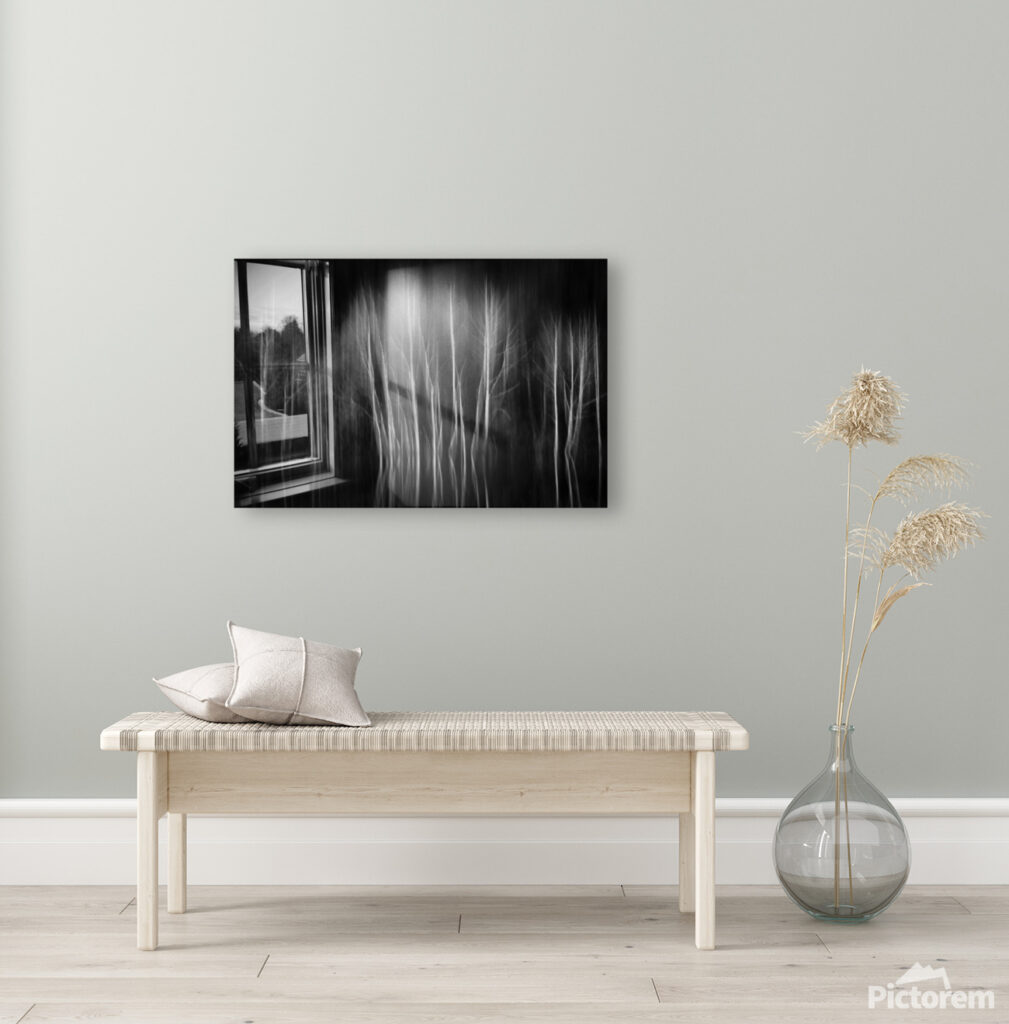
Black and White Photography
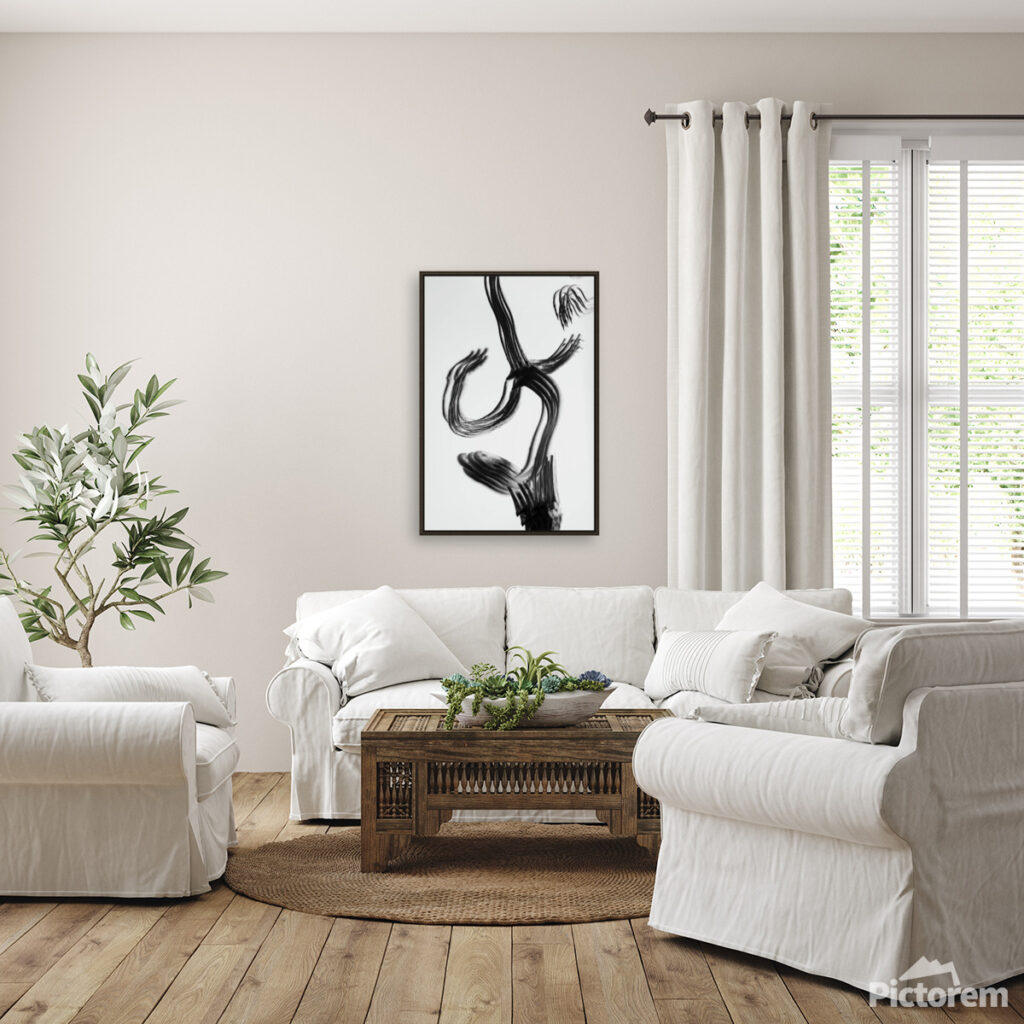
Black and white photography remains one of the most versatile choices for hotel interiors. It feels timeless, controlled, and easy to integrate into different design schemes. It is particularly effective in boutique hotels, heritage properties, luxury interiors, and spaces where the furniture and materials already carry strong colour. Monochrome photography also reduces the risk of visual conflict with textiles, wall finishes, and carpets.
Architectural and Urban Photography
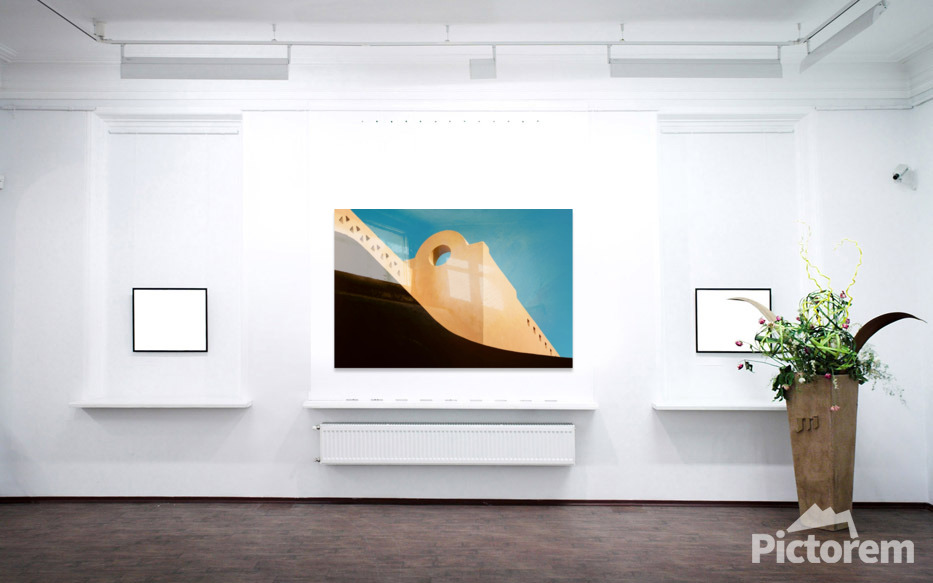
Architectural and urban photography is a strong fit for city hotels, business hotels, and contemporary properties. It can reinforce a sense of place, especially when the images reflect the local architecture or urban character of the destination. These prints work well in lobbies, conference areas, corridors, and executive rooms.
Atmospheric and Intimate Photography
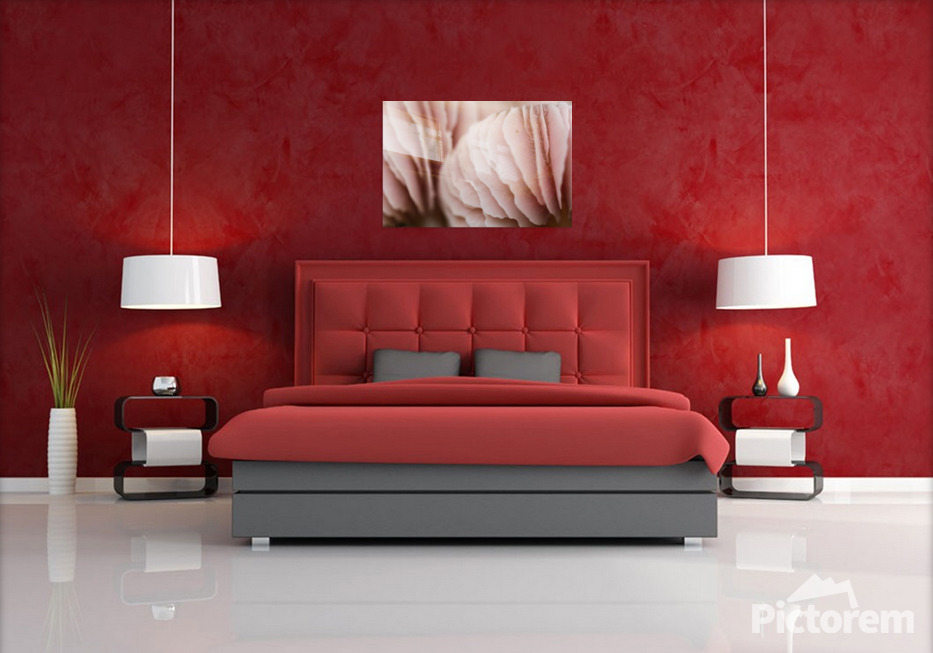
Soft, atmospheric photography can work beautifully in bedrooms and suites. Images based on light, texture, quiet detail, or intimate natural forms help make the room feel warmer and more personal. The key is restraint: these pieces should support the mood of the room, not distract from it.
Best Art by Hotel Space
One of the most useful ways to choose hotel art is to think space by space. Different areas of a hotel have different emotional and practical needs.
| Hotel space | What the art should do | Best photography styles | Typical approach |
|---|---|---|---|
| Lobby | Create a strong first impression | Large landscapes, abstracts, architectural work | One statement piece or a coherent series |
| Guest room | Support rest and comfort | Landscape, minimalist, black and white, soft atmospheric imagery | One medium to large piece above bed or opposite it |
| Corridor | Add rhythm and character | Series-based black and white, local photography, minimalist prints | Repeated format with consistent spacing |
| Restaurant / bar | Add energy and identity | Urban, abstract, expressive colour-led photography | More confident and social tone |
| Spa / wellness | Promote calm and restoration | Water, botanical, nature, soft abstracts | Low-stress palette, organic themes |
| Meeting room | Make the space less institutional | Architectural, geometric, minimalist photography | Professional but visually interesting |
Lobby
The lobby is where the hotel makes its first visual promise. Art in this space should be more assertive than art in guest rooms. Large-format landscapes, architectural photography, and abstract works are all strong options. The aim is not just to fill wall space, but to create a focal point that helps define the hotel’s identity.
Guest Rooms
Guest room art should help the room feel calm, finished, and thoughtfully designed. For most hotels, the safest choices are landscape photography, black and white photography, minimalist prints, and soft atmospheric imagery. Aggressive colours or visually busy compositions are usually a mistake in rooms intended for rest.
Corridors
Corridors benefit from coherent series rather than isolated statement pieces. This is an ideal place for black and white photography, local architectural studies, or consistent sets of abstract prints. Repetition helps turn a corridor into part of the hotel’s visual story.
Restaurant and Bar
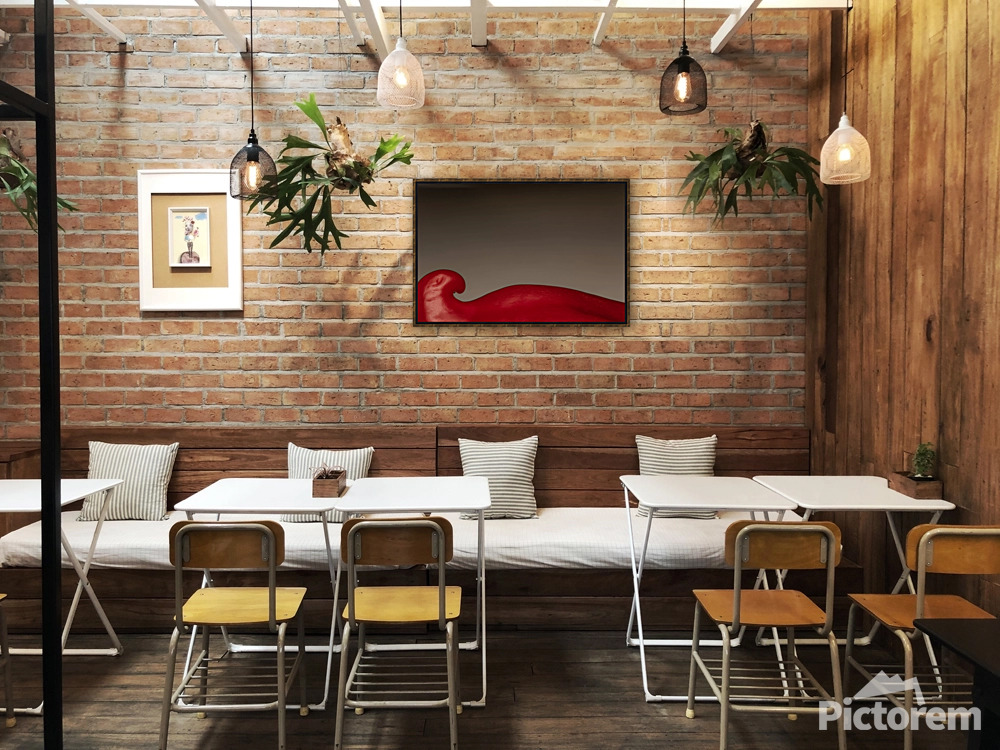
Hospitality spaces centred on food, drinks, and social interaction can handle more visual energy. In these areas, stronger colour, urban photography, graphic black and white work, or expressive abstract pieces can work very well. The art should feel intentional and lively, but still aligned with the wider identity of the property.
Spa and Wellness
Spa and wellness areas call for the calmest visual language in the hotel. Water, botanical forms, mist, light, and natural textures are all strong themes. Soft blues, greens, and warm neutrals usually work best.
Meeting Rooms
Meeting rooms should feel professional, but not severe. Architectural photography, geometric abstraction, and minimalist imagery tend to work well here. The art should make the room more human and less corporate without becoming distracting.
Where to Place Art in a Hotel
Placement matters as much as the image itself. Even excellent photography loses impact if it is hung in the wrong place, at the wrong height, or in competition with furniture and lighting.
- Above the bed: the most common position in hotel bedrooms. Usually best for one medium or large horizontal print.
- Opposite the bed: works well when the wall above the headboard is visually busy or too narrow.
- Above a sofa or bench: ideal in suites, lounges, and lobby seating areas.
- At corridor intervals: repeated pieces help create rhythm and continuity.
- Near reception or behind the desk: useful for one signature piece that defines the arrival experience.
- At restaurant banquette level or seated eye line: lower hanging height can make the artwork easier to engage with.
- In transition spaces: lifts, stair landings, and waiting zones can all benefit from carefully placed small or medium works.
As a general rule, the centre of the artwork should usually sit around 145 to 155 cm from the floor. In lounge, restaurant, and seating areas, slightly lower placement often feels more natural because the work is viewed while seated. Above beds, desks, or sofas, keep enough breathing room so the artwork does not feel cramped by the furniture below.
| Placement area | Best use | Tip |
|---|---|---|
| Above bed | Main artwork in guest room | Keep the bottom edge roughly 20–25 cm above the headboard |
| Above sofa | Suites, lounges, lobby seating | Artwork should relate to the width of the furniture |
| Corridor wall | Series or repeated sets | Keep frame size and spacing consistent |
| Behind reception desk | Signature first impression | Choose one strong focal piece |
| Restaurant seating area | Add atmosphere and character | Hang slightly lower for seated viewing |
Choosing Art by Hotel Type
Different types of hotels benefit from different art strategies. The best solution for a boutique hotel may feel wrong in a business hotel, and vice versa.
Boutique Hotels
Boutique hotels depend on identity. Art should help build a clear point of view. This can mean using a single photographer, a tightly curated visual theme, or a limited-edition approach that gives the property a sense of exclusivity. Fine art photography works particularly well here because it can feel both personal and highly refined.
Luxury and Five-Star Hotels
In luxury interiors, art should reinforce refinement, scale, and quality. Large-format prints, premium materials, and careful framing matter more here than ever. The artwork should not feel decorative in a casual sense. It should feel substantial, intentional, and fully integrated with the architecture and furnishings.
Business and Conference Hotels
Business hotels benefit from art that is elegant, professional, and visually calm. Architectural photography, geometric abstracts, minimalist prints, and city-based imagery are usually the strongest choices. These make spaces feel polished without introducing too much emotional or visual noise.
Resort and Wellness Hotels
Resorts and wellness properties should usually lean toward nature-led photography. Water, light, botanicals, sand, stone, sky, and landscapes all support the kind of atmosphere guests expect in these environments. The emphasis should be on calm, sensory softness, and escape.
Heritage and Historic Hotels
Historic hotels often benefit from black and white photography, local landscapes, architectural studies, and work that connects the hotel to its region or story. A coherent series of prints can become part of the property’s character, especially in corridors and public areas.
Colour Psychology in Hotel Art
Colour has a direct effect on how hotel interiors are perceived. In most cases, hotel art works best when it supports the dominant colour story of the room rather than introducing unnecessary contrast.
🔵 Blue
Blue suggests calm, clarity, trust, and rest. It is one of the strongest choices for hotel bedrooms, lobbies, and wellness spaces.
🟢 Green
Green is associated with restoration, nature, and balance. It works especially well in wellness hotels and spaces with wood, stone, and natural textiles.
🔴 Red
Red is energetic and demanding. It can work in bars, restaurants, and statement pieces, but is usually too intense for restful hotel rooms if used heavily.
🟠 Orange and 🟡 Yellow
These tones can feel warm and social, but they need restraint. They usually work better as accents than as the dominant mood of the artwork.
🟣 Purple and 🩷 Pink
These colours can communicate softness, creativity, or luxury, depending on how they are used. They are often more suitable for boutique and design-led properties than for classic business hotels.
🟤 Brown, Warm Neutrals, and ⚫ Black and White
Warm neutrals create comfort and grounding. Black and white creates clarity and timelessness. Both are highly adaptable and easy to integrate into many hotel interiors.
| Colour direction | Effect | Best use in hotels |
|---|---|---|
| Blue | Calm, trust, freshness | Bedrooms, lobbies, wellness |
| Green | Restoration, nature, balance | Spa, resort, nature-led interiors |
| Red | Energy, warmth, intensity | Bars, restaurants, selected focal pieces |
| Orange / Yellow | Sociability, brightness | Communal areas in moderation |
| Black and White | Timelessness, structure, versatility | Boutique, luxury, corridor series, bedrooms |
| Warm neutrals | Comfort, softness, restraint | Guest rooms, lounges, quiet interiors |
The most common colour mistake in hotel interiors is not choosing the wrong colour, but choosing too many competing ones. A more restrained visual palette almost always feels more premium than a space with too many unrelated tones.
Recommended Print Sizes for Hotel Rooms
Guest rooms deserve their own sizing guidance because this is where hotels often make the most expensive mistakes. Prints that are too small feel apologetic. Prints that are too large can make the room feel crowded or visually heavy.
For standard hotel rooms, the most reliable print sizes are usually in the medium to large range. The ideal size depends on wall width, ceiling height, furniture placement, and whether the artwork is intended as a single focal point or part of a set.
| Room situation | Recommended print size | Best use |
|---|---|---|
| Small room / narrow wall | 40 × 50 cm to 50 × 70 cm | Secondary wall, desk area, paired pieces |
| Standard room | 60 × 90 cm | Above bed or opposite bed |
| Larger standard room | 70 × 100 cm to 80 × 120 cm | Main focal artwork |
| Suite or premium room | 100 cm and above | Statement piece on a wider wall |
| Grouped arrangement | 2–3 smaller matched frames | When one large print is not ideal |
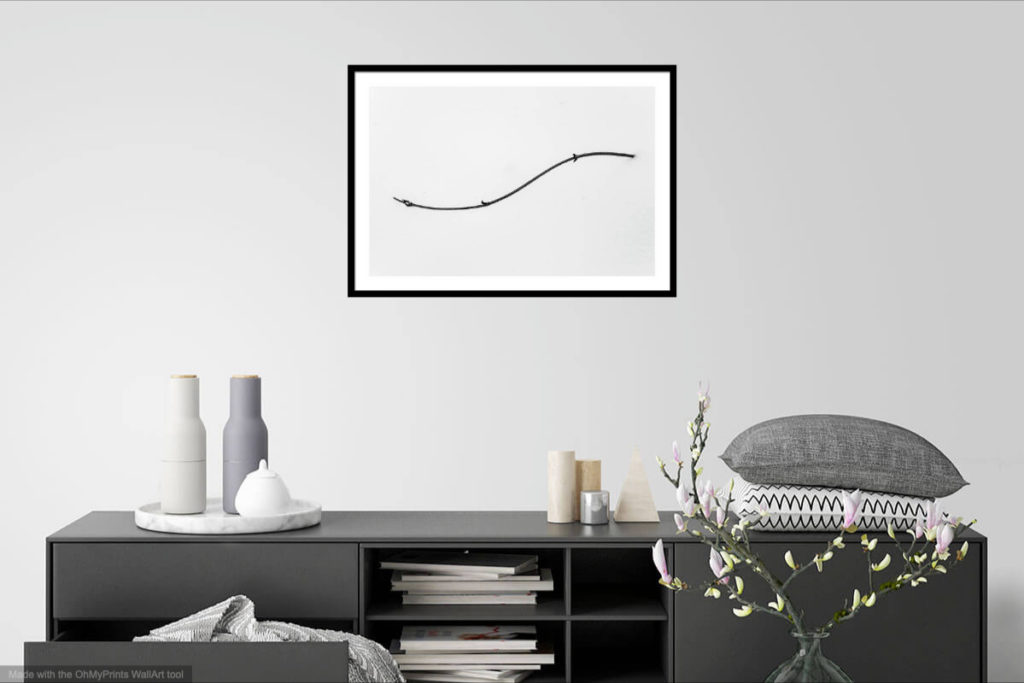
As a practical rule, the artwork above a bed usually looks best when it relates visually to the width of the headboard rather than floating as a small isolated object. In many hotel rooms, one horizontal print around 60 × 90 cm or 80 × 120 cm is a dependable and elegant solution.
Art Sizes for Hotel Spaces
Selecting the right size of art for each part of the hotel is just as important as selecting the right image. Scale shapes how premium and deliberate the result feels.
Small format — up to 50 cm
Best for smaller secondary walls, desk areas, alcoves, bathrooms, or grouped arrangements. A single small print on a large wall usually looks lost, so these sizes work best in pairs or series.
Medium format — 60–75 cm
The most versatile option for hotel interiors. Suitable for guest rooms, dining areas, lounges, and meeting rooms. These sizes are large enough to feel intentional without overwhelming the space.
Large format — 80–120 cm
Ideal for lobbies, reception walls, suites, restaurant walls, and wider bedroom walls. At this scale, print quality and framing quality become especially important.
Hanging Height
The centre of the artwork should usually sit around 145 to 155 cm from the floor. In seated areas such as lounges and restaurants, slightly lower placement often feels better. Above furniture, keep a comfortable visual gap so the artwork does not feel cramped.
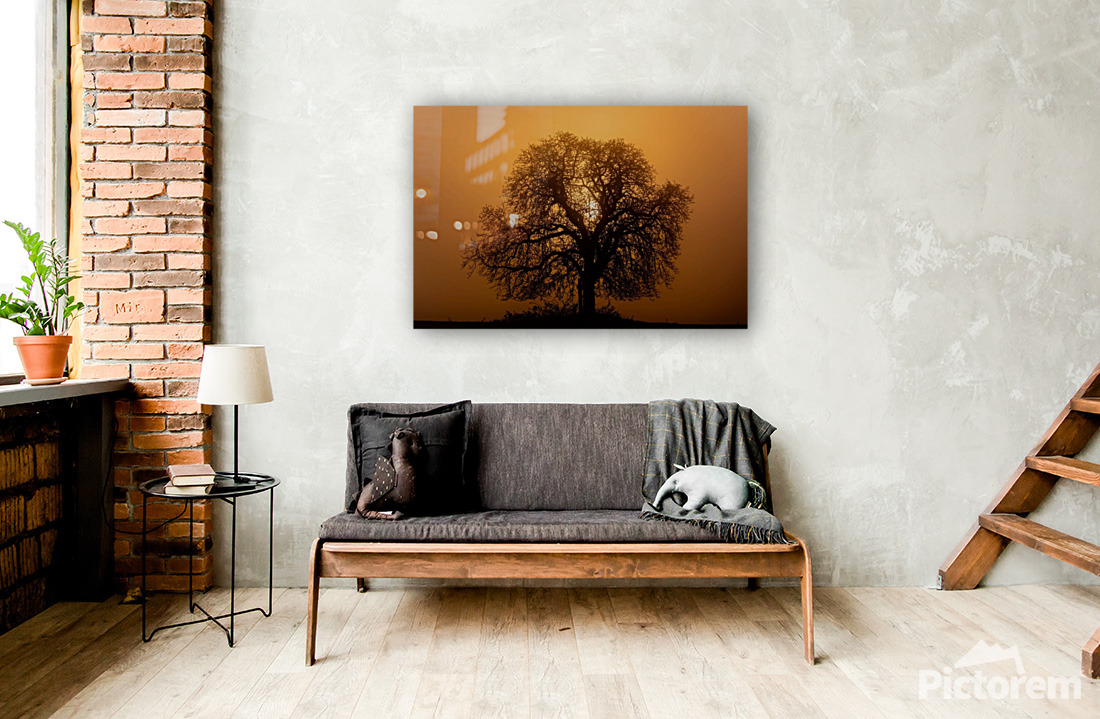
Photography Themes That Work Best in Hotels
A good theme gives a hotel’s art collection internal coherence. Even strong individual pieces feel weaker when they have no shared visual logic. These are some of the most reliable photographic themes for hotel interiors.
Water and Coastlines
Images of water are among the most calming choices for hotel interiors. Oceans, lakes, rivers, mist, and reflections work particularly well in bedrooms and wellness areas.
Light and Sky
Photography built around sky, atmosphere, and natural light creates openness and visual relief. This can be especially effective in areas without natural views or daylight.
Local and Regional Identity
Location-based photography gives a hotel something generic décor never can: a real sense of place. For independent hotels and destination properties, this is often one of the strongest strategies.
Botanical and Organic Forms
Close-up details of plants, bark, stone, flowers, grasses, and natural textures work beautifully in calm, tactile interiors. They pair especially well with wood, linen, stone, and soft neutral palettes.
Geometry and Abstraction
Geometric or abstract photography suits modern hotels, business interiors, and properties that want a more design-led visual language. It adds sophistication without depending on obvious subject matter.
Common Mistakes Hotels Make When Choosing Art
Hotels often invest significant time and money in interiors, then weaken the result with avoidable art mistakes. These are the most common ones.
- Choosing art that is too small for the wall. This is probably the most common mistake and instantly makes the room feel under-designed.
- Mixing too many unrelated styles. A random mix of landscapes, abstracts, bright colours, and black and white pieces often feels inconsistent rather than curated.
- Using visually aggressive art in restful spaces. Bedrooms and spa areas usually need calmer imagery than bars or social areas.
- Ignoring the room palette. Even excellent photography can feel wrong if its colours fight with carpets, upholstery, curtains, or wall tones.
- Using poor-quality framing. Thin, cheap, or badly finished frames can undermine otherwise strong prints.
- Being inconsistent across repeated rooms. In hotels, variation is good; visual chaos is not. Consistent framing and sizing matter.
- Relying on generic stock-looking imagery. Art should help define the property, not make it feel interchangeable with every other hotel.
| Mistake | Why it weakens the interior | Better approach |
|---|---|---|
| Art too small | The wall looks unfinished | Use a larger print or a grouped arrangement |
| Too many unrelated styles | The hotel feels visually inconsistent | Define one clear art direction |
| Overstimulating bedroom art | The room feels less restful | Use calmer palettes and quieter imagery |
| Cheap framing | Reduces perceived quality | Use better materials and consistent finishes |
| Generic imagery | No sense of identity | Choose art with character or local relevance |
How Hotels Buy Art
Hotels usually buy art in one of three ways: as a standardised solution for multiple rooms, as a curated collection for public areas, or through direct collaboration with an artist or photographer. The right approach depends on budget, project stage, and how distinctive the final result should feel.
1. Standardised purchase for multiple rooms
This is the most common route for hotels with many similar guest rooms. The usual approach is to choose one frame style, one or two print sizes, and a coherent image set that can be repeated across the property. This creates consistency and simplifies purchasing, replacement, and installation.
2. Curated collection for public areas
Lobbies, lounges, restaurants, corridors, and meeting spaces often benefit from a more curated approach. These spaces carry more of the hotel’s visible identity, so the art selection can be more distinctive and ambitious.
3. Direct collaboration with an artist or photographer
Hotels that want something more individual often work directly with a photographer or artist. This makes it possible to select specific subjects, sizes, colour directions, framing options, and imagery that reflects the property. It is one of the best ways to avoid a generic result.
In general, the more a hotel wants its art to become part of its identity, the more sense it makes to move away from generic décor suppliers and work with a specialist directly.
What hotels usually consider before buying
- Budget per room or per public area
- Whether the art needs to be consistent across many rooms
- Framing and glazing requirements
- Installation logistics
- Lead times for printing and delivery
- Whether the property wants open edition or limited edition work
- How strongly the hotel wants the art to reflect its location or brand identity
Practical Tips for Buying and Installing Hotel Art
Beyond style and subject matter, there are practical choices that strongly affect the final result and long-term durability of hotel art.
Print Quality
Hotels are demanding environments. Artwork is exposed to light, temperature variation, movement, and frequent cleaning nearby. Archival-quality printing and durable materials make a real difference, especially at larger sizes.
Framing
Frame selection shapes how premium the artwork feels. Thin aluminium frames suit modern interiors. Deeper wood frames can add warmth and weight in luxury or heritage settings. The frame should support the photograph rather than compete with it.
Consistency Across Rooms
In repeated room types, consistency is one of the easiest ways to create a more expensive-looking result. A standard frame style and print format usually works better than treating every room differently.
Working Directly with Photographers
For hotels that want a distinctive collection rather than generic décor, working directly with a fine art photographer allows more control over subject, palette, size, framing, and exclusivity.
Looking for hotel-ready fine art photography prints?
I offer museum-quality photography prints suitable for hotel rooms, lobbies, wellness spaces, lounges, and boutique interiors. Prints are available in multiple sizes and frame options, including black and white, abstract, landscape, and minimalist photography. If you are furnishing a hotel, guesthouse, resort, or serviced apartments, feel free to explore the collections below.
-
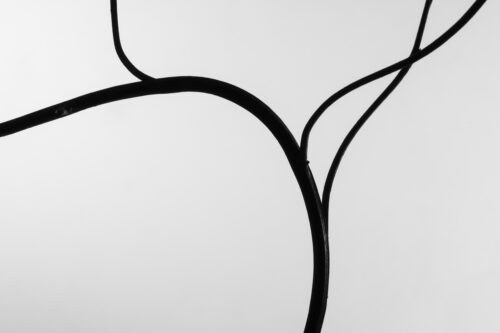 Organic Shape – Minimalist Botanical PhotographyPrints from $33.00 · Framed Prints from $94.00
 -
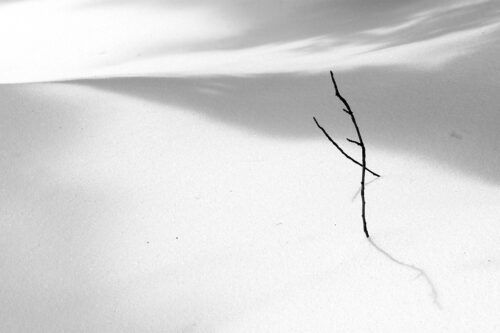 Winter Minimalism – Abstract Nature PhotographyPrints from $33.00 · Framed Prints from $94.00
Examples of Photography Prints for Hotels
Below are examples of photography prints that work well in hotel interiors. Black and white photography is one of the easiest styles to integrate because it feels timeless, refined, and compatible with a wide range of materials and colour palettes, but it is only one of several strong directions for hospitality spaces.
-
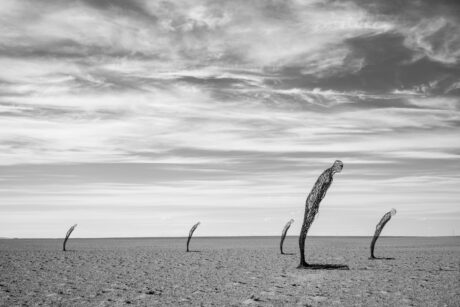 Consciousness Land Art Sculpture Gobi II. – Fine Art Print MongoliaPrints from $33.00 · Framed Prints from $94.00
 -
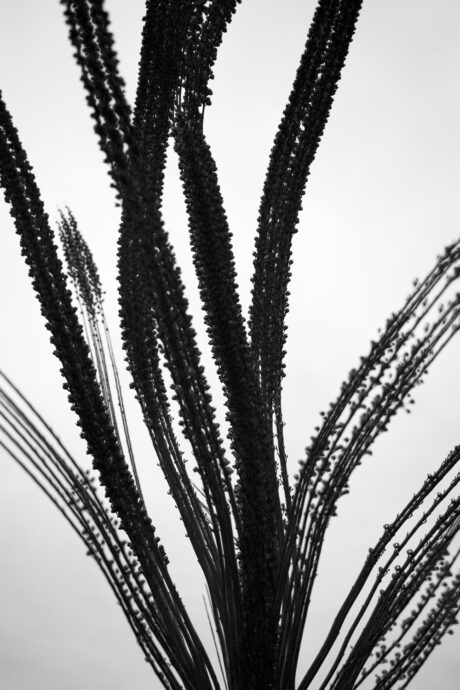 Dried Plant Stems Multiple Exposure III. | Black and White Abstract PhotographyPrints from $33.00 · Framed Prints from $94.00
 -
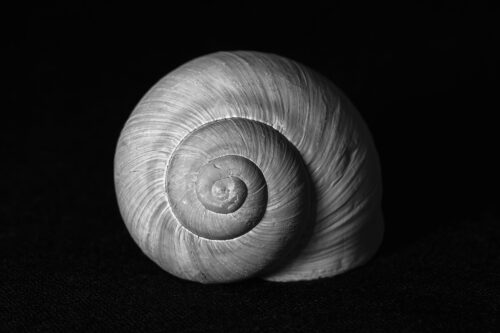 Snail Shell – Minimalist PhotographyPrints from $33.00 · Framed Prints from $94.00
 -
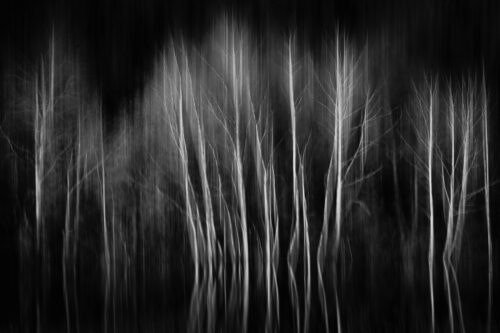 Birches in Motion – Abstract Landscape PhotographyPrints from $33.00 · Framed Prints from $94.00
 -
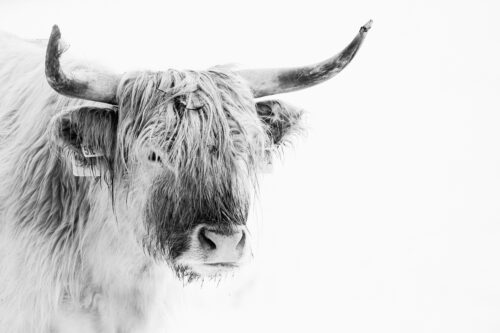 Highland cattle – High Key Animal PhotographyPrints from $33.00 · Framed Prints from $94.00
 -
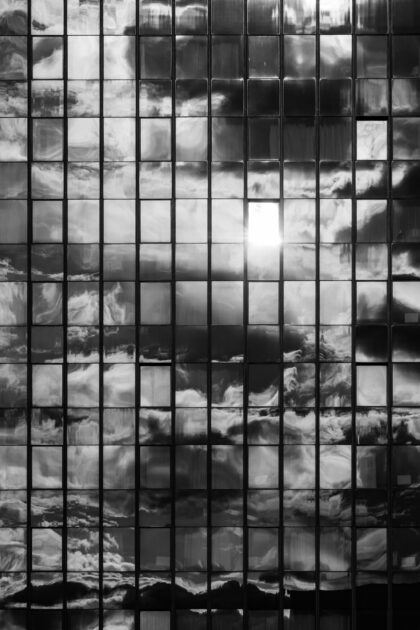 Clouds reflected in the skyscraper – Abstract Architectural PhotographyPrints from $33.00 · Framed Prints from $94.00
 -
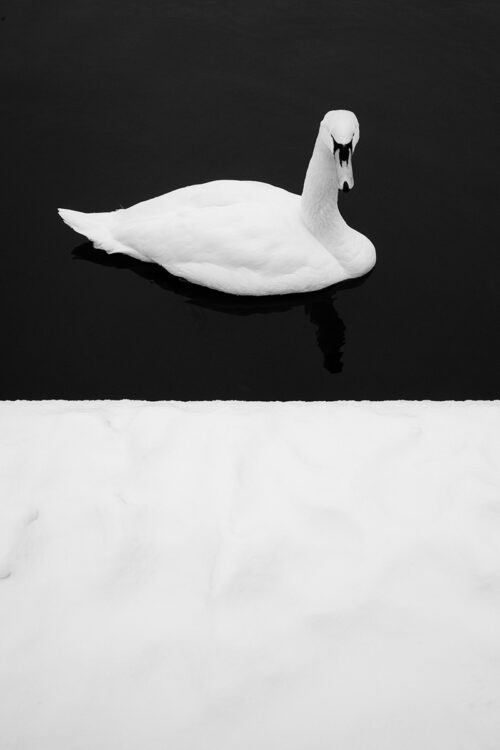 Black and White Swan – Minimalist Wildlife PhotographyPrints from $33.00 · Framed Prints from $94.00
 -
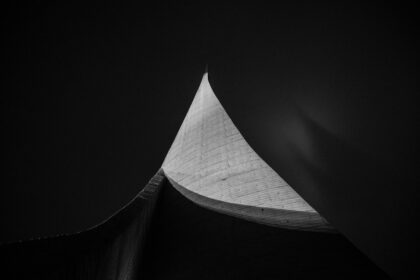 Brutalist Prague – Emauzy – Minimalist Architectural PhotographyPrints from $33.00 · Framed Prints from $94.00
 -
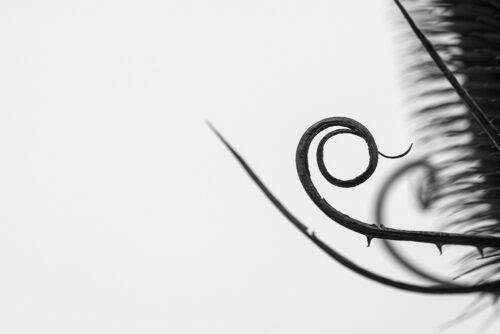 Golden Ratio in Nature – Minimalist PhotographyPrints from $33.00 · Framed Prints from $94.00
Frequently Asked Questions
What type of art works best in a hotel lobby?
Large-format fine art photography is one of the strongest choices for hotel lobbies. A single oversized print or a coherent series can create an immediate focal point and help define the hotel’s identity. Landscape photography, abstract compositions, and architectural photography are all strong options for this space.
What kind of photography works best in hotel rooms?
In hotel rooms, the safest and most effective choices are usually landscape photography, minimalist photography, black and white prints, and calm atmospheric images. The goal is to support rest and comfort rather than visual stimulation.
Where should art be placed in a hotel room?
The most common placement is above the bed, where one medium or large print can anchor the room. Art can also be placed opposite the bed, above a desk, or above a bench or sofa in larger rooms. The best placement depends on the furniture layout and which wall should serve as the main focal point.
What print sizes are standard for hotel rooms?
The most common sizes for hotel bedrooms are usually around 60 × 90 cm, 70 × 100 cm, and 80 × 120 cm. Smaller prints can work in pairs or secondary positions, while larger rooms and suites can often handle prints of 100 cm and above.
Should hotel art reflect the local area?
In many cases, yes. Photography that reflects the local landscape, architecture, or character of the destination gives the property a stronger sense of place and helps it feel less generic. This is especially valuable for boutique hotels, destination hotels, and independent properties.
Is it better to use original art or prints in hotels?
For most hotels, high-quality fine art prints are the most practical and effective choice. They offer consistency, durability, and easier replacement across multiple rooms. Original art may make sense in selected public spaces, but archival-quality prints are usually the better solution for broader hotel use.
How do hotels usually buy art?
Hotels often buy art either as a standardised package for guest rooms, as a curated collection for public areas, or through direct collaboration with an artist or photographer. The more distinctive the hotel wants the result to feel, the more valuable direct curation becomes.
What colours in hotel art help guests feel calmer?
Soft blues, muted greens, warm neutrals, and restrained black and white imagery tend to work best in restful hotel interiors. Strong reds, bright oranges, and visually crowded compositions are usually less suitable for bedrooms and wellness spaces.